Source 60v mini ev car with steering wheel for delivery, tours, and campuses
Explore 30 listings of the 60v mini ev car with steering wheel featuring closed body types and CE certifications. Buyers can compare models like X9 and EV-600, noting variations in voltage, motor power, and dimensions to find suitable options for urban logistics and short-distance travel.
Key considerations
Products List




Comprehensive Sourcing Guide
Strategic Sourcing Guide for 60V Mini EV Cars with Steering Wheels
The global shift toward sustainable urban mobility has accelerated the demand for low-speed electric vehicles, particularly the 60V mini EV car with steering wheel segment. These vehicles represent a critical intersection of affordability, regulatory compliance, and practical utility for short-range transportation. For B2B procurement professionals, sourcing these units requires a disciplined approach that distinguishes between marketing narratives and verifiable technical facts. This guide provides a structured framework for evaluating suppliers, validating specifications, and managing the procurement lifecycle for 60V electric vehicles, ensuring that purchasing decisions are grounded in observable data and industry standards rather than unverified claims.
Technical Architecture and Powertrain Specifications
The foundation of any 60V mini EV procurement lies in a rigorous understanding of the vehicle's powertrain and structural architecture. The core voltage specification of 60V is a defining characteristic for this category, often balancing cost efficiency with sufficient torque for urban environments. However, buyers must scrutinize the specific implementation of this voltage. While the primary system operates at 60V, observed market data indicates the existence of variants operating at 72V, such as models with 72V motors rated at 3kW or 6kW. This discrepancy highlights the necessity of verifying the exact voltage rating of the specific unit under consideration, as a 60V system cannot simply be substituted for a 72V component without potential compatibility issues.
The motor configuration is equally critical. Specifications for similar units in the supply chain indicate motor power ratings ranging from 3kW to 6kW. A 6kW motor typically offers higher acceleration and gradeability, suitable for slightly more demanding terrain, whereas a 3kW unit is optimized for flat, low-speed urban commuting. The battery capacity further dictates the operational range. Available configurations include 72V/100Ah or 72V/160Ah batteries, though the 60V variant will likely utilize a corresponding Ah rating to maintain energy density. Procurement teams must confirm the specific battery chemistry and capacity to ensure the vehicle meets the required daily mileage expectations.
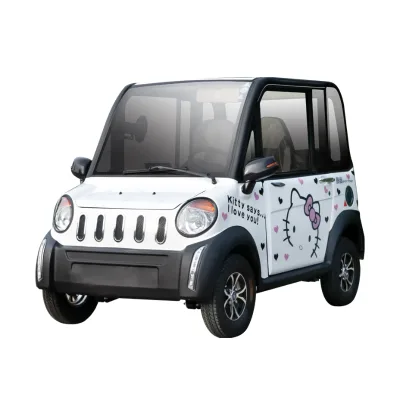
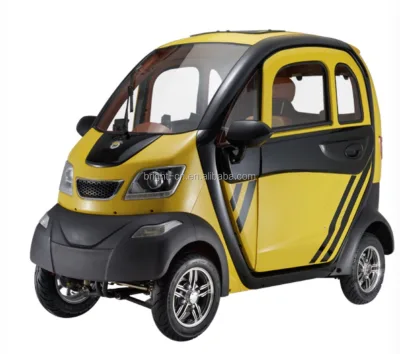
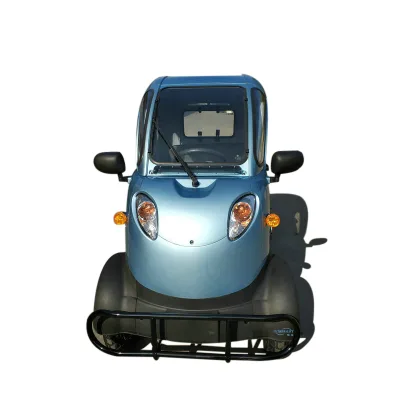
Structural dimensions also play a pivotal role in logistics and usability. Observed dimensions for comparable electric vehicles include a length of 2960mm, width of 1460mm, and height of 1590mm, resulting in a compact footprint ideal for dense city centers. Another observed configuration measures 2300mm in length, offering an even more compact profile. The curb weight varies significantly based on the build, with recorded weights of 420kg and 600kg. These weight differences often correlate with the frame material; some units utilize an aluminum alloy frame, which reduces overall mass and improves energy efficiency, while others may employ steel or iron frames for enhanced durability. The body type is generally classified as "Closed" or "Integral Body," ensuring weather protection for the driver and passenger.
Regulatory Compliance and Certification Verification
Navigating the regulatory landscape is perhaps the most complex aspect of sourcing electric vehicles for international markets. The presence of specific certifications is not merely a formality but a prerequisite for legal operation and importation. The supply chain data indicates that compliant units often carry CE, EEC, and CCC certifications. The CE mark signifies conformity with health, safety, and environmental protection standards for products sold within the European Economic Area. The EEC (Economic Commission for Europe) certification is particularly relevant for vehicles intended for European markets, often serving as a gateway for type approval. Additionally, the CCC (China Compulsory Certification) is mandatory for products sold within China, indicating that the manufacturer adheres to domestic safety standards.
Buyers must exercise extreme caution when evaluating the "EEC" status of a vehicle. While some listings explicitly state "EEC: Yes" or list it as a primary certification, others may only list "COC" (Certificate of Conformity) or ISO standards. The COC is a document issued by the manufacturer stating that the vehicle meets the requirements of the relevant EU directive, but it is distinct from the EEC type approval itself. A robust procurement strategy requires verifying that the specific model, such as the X9, x7, or EV-600 Pick Up, possesses the necessary documentation to clear customs in the target destination. Relying on a general "CE" claim without verifying the specific EEC or COC documentation for the exact model number can lead to significant logistical delays or seizure of goods at the border.
Furthermore, the standardization of the vehicle is a key compliance indicator. Some units are described as having a "Plastic cover" standard, while others adhere to specific dimensional standards like 296014601590 mm. These standards often relate to the physical dimensions required for registration in specific jurisdictions. Buyers should request the full technical dossier, including the Certificate of Conformity (COC) and the specific EEC approval number, before finalizing any order. The absence of these documents, or the presence of only generic certifications, should be treated as a high-risk factor.
Cost Drivers and Pricing Dynamics
Understanding the cost structure of 60V mini EVs is essential for budgeting and negotiating effective terms. The observed price range for these vehicles in the current market spans from $1,800 to $9,555 USD. This wide variance is driven by several factors, including the motor power, battery capacity, frame material, and the level of customization. A unit priced at the lower end of the spectrum likely features a 3kW motor, a smaller battery, and a basic steel or iron frame. Conversely, the higher price points correspond to models with 6kW motors, larger battery capacities (such as 160Ah), aluminum alloy frames, and advanced features like air conditioning.
The Minimum Order Quantity (MOQ) is another significant cost driver. Data indicates that MOQs can range from 1 unit to 30 units. Ordering a single unit may incur a higher per-unit cost due to the lack of economies of scale, whereas bulk orders of 30 units can significantly reduce the average cost. Additionally, the shipping container capacity influences the final landed cost. For instance, a 40-foot high cube (40HQ) container can hold approximately 8 to 10 units of these vehicles, depending on the specific model dimensions and packing method. A model with dimensions of 296014601590 mm might fit 10 units per container, while a slightly larger or differently configured model might only accommodate 8 units. Buyers must calculate the total landed cost, including freight, insurance, and duties, rather than focusing solely on the ex-works price.
Packing standards also impact costs. Units packed in "Steel" or "Iron Frame" configurations may require more robust packaging materials to prevent damage during transit, potentially increasing the overall shipping weight and cost. In contrast, "Sea Worthy" packing standards imply a specific level of protection that may be more cost-effective for long-distance ocean freight. The "Customization" option, while adding value, will invariably increase the unit price and may extend the lead time. Buyers should clearly define their customization needs early in the negotiation process to avoid unexpected cost overruns.
Typical Applications and Operational Use Cases
The 60V mini EV with a steering wheel is designed for specific operational niches where traditional internal combustion engine vehicles are either too expensive to operate or restricted by local regulations. The primary application is urban last-mile delivery and personal mobility in low-speed zones. With a maximum speed range of 41-60 km/h, these vehicles are ideal for city centers, university campuses, industrial parks, and gated communities where speed limits are strictly enforced. The gradeability of 20-30% allows these vehicles to navigate moderate inclines, making them suitable for hilly urban environments or industrial facilities with sloped roads.
The seating configuration, typically 1-2 seats, makes these vehicles highly efficient for single-occupant commuting or small delivery teams. The "Integral Body" and "Closed" body type provide necessary protection against the elements, enhancing driver comfort and safety compared to open-frame alternatives. For commercial applications, the "Pick Up" variant, such as the EV-600 model, offers a cargo bed for transporting goods, making it a versatile tool for logistics and maintenance crews. The optional configuration of an air conditioner further expands the utility of these vehicles, allowing for year-round operation in varying climatic conditions.
The charging time of 6-8 hours is a critical operational parameter. This duration suggests that these vehicles are best suited for overnight charging or charging during extended downtime periods. In a commercial setting, this necessitates a charging infrastructure strategy that aligns with shift schedules. The "Folded" vs. "Unfolded" attribute, while seemingly minor, can be relevant for storage in facilities with limited space, though most mini EVs are designed as fixed-structure vehicles. Understanding these operational constraints helps buyers match the vehicle to the specific workflow requirements of their organization.
Supplier Evaluation and Origin Analysis
Evaluating suppliers requires a focus on their geographic origin and manufacturing capabilities. The supply chain data identifies three primary production hubs: Taizhou, Henan, and Zhejiang. Each region has its own industrial ecosystem and specialization. Taizhou is known for its concentration of small vehicle manufacturers, while Zhejiang is a major hub for electric vehicle production in China. Henan represents another significant manufacturing base. Buyers should verify the specific origin of the vehicle they are purchasing, as the quality of components and the rigor of the manufacturing process can vary by region.
When assessing a supplier, the "OEM: Accept" status is a strong indicator of flexibility. It suggests that the manufacturer is willing to produce vehicles under the buyer's brand name, which is crucial for companies looking to build a distinct fleet identity. The "Customization: Available" attribute further supports this, indicating that the supplier can adapt the vehicle's color, configuration, and features to meet specific requirements. The available color options—White, Black, Blue, and Red—provide a baseline for branding, but the "Customizable" attribute suggests that other colors may be available upon request.
However, buyers must be wary of suppliers who claim certifications without providing verifiable documentation. The presence of "CE, EEC, CCC" in a product listing is a positive signal, but it must be cross-referenced with the actual certificates. A reputable supplier will readily provide copies of their CE and EEC certificates, along with the specific model numbers covered. The "Delivery Time" of 15 days is a standard benchmark, but buyers should confirm if this applies to stock items or customized orders, as customization can extend the lead time.
Quality Control and Long-Term Procurement Strategy
Implementing a robust quality control (QC) protocol is essential to mitigate risks associated with sourcing electric vehicles. The "Frame Material" and "Motor" specifications are key areas for inspection. Buyers should verify that the aluminum alloy frame, if specified, meets the required tensile strength and corrosion resistance standards. Similarly, the motor must be tested for thermal stability and efficiency under load. The "Curb Weight" is another metric that can indicate build quality; a vehicle significantly lighter than the specified weight may be using substandard materials, while one significantly heavier may be over-engineered or using inferior components.
The "40hq" container capacity and "prod_packing" details are critical for logistics planning. Ensuring that the packing method is "Sea Worthy" or utilizes an "Iron Frame" is necessary to prevent damage during ocean transit. Buyers should request photos or videos of the packing process to verify that the vehicles are secured properly within the container. The "Lead Time" of 15 days should be treated as a baseline, with a buffer added for potential delays in production or shipping.
For long-term procurement, establishing a relationship with a supplier that offers "Customization" and "OEM" services is advantageous. This allows for the development of a fleet that is tailored to the buyer's specific operational needs. The "Optional Configuration" of an air conditioner and the ability to customize the color scheme are valuable features for maintaining a professional image. Buyers should also consider the availability of spare parts and after-sales support. A supplier that is transparent about their manufacturing process and provides comprehensive documentation will be better equipped to support the buyer's long-term operational needs.
In conclusion, sourcing a 60V mini EV car with a steering wheel requires a meticulous approach that balances technical specifications, regulatory compliance, and cost considerations. By focusing on verified data, such as the specific voltage, motor power, and certification status, buyers can make informed decisions that ensure the reliability and legality of their fleet. The wide range of options available, from basic models to highly customized units, offers significant flexibility, but it also demands a disciplined evaluation process to avoid pitfalls. Through careful supplier selection and rigorous quality control, organizations can successfully integrate these efficient, low-speed electric vehicles into their operations, contributing to a more sustainable and cost-effective transportation future.
FAQs
What certifications are required for 60v mini ev car with steering wheel?
Compliant units typically carry CE, EEC, and CCC certifications. Buyers must verify specific documentation like the Certificate of Conformity for the exact model to ensure legal importation and avoid customs delays.
How much does a 60v mini ev car with steering wheel cost?
The observed price range spans from 1800 to 9555 USD. Costs vary based on motor power, battery capacity, frame material, and customization options like air conditioning or specific color requests.
Which motor power options are available for these vehicles?
Available motor configurations include 3kW and 6kW ratings. A 6kW motor offers higher acceleration suitable for demanding terrain, while a 3kW unit is optimized for flat urban commuting.
Can I customize the color of a 60v mini ev car with steering wheel?
Customization is available for colors including white, black, blue, and red. Buyers can request specific color options beyond the standard palette to match their branding or fleet requirements.
What is the lead time for delivery of these electric vehicles?
The standard delivery time is 15 days. This duration may vary depending on the order volume, customization level, and the specific manufacturing origin such as Taizhou, Henan, or Zhejiang.
How many units fit in a 40HQ container for shipping?
Container capacity ranges from 8 to 10 units per 40HQ container. The exact number depends on the specific model dimensions and packing method, such as steel or iron frame configurations.